
You protect brand consistency on franchisee social media with four tools: central access to all accounts, a short style guide, templates for common posts and weekly monitoring. The aim is not to stop franchisees from doing anything, but to make sure that what they share is recognisably part of the brand, with room for local stories.
In brief: protecting brand consistency on franchisees' social media
- Protecting brand consistency on social media works best with central access to all accounts.
- A short style guide with examples works better than a thick brand book.
- Templates for common posts make it easy to stay within the brand identity.
- Leave local stories free, but set rules for logo, colours, tone and prices.
- Monitor weekly and address deviations positively, offering a better alternative.
- Having it carried out centrally prevents most problems in advance.
Why does brand identity so often go wrong on local social media?
Because franchisees, with the best of intentions, create something themselves with the resources they have. The result: old logos, their own colours, wrong prices and a tone that does not suit the brand. On top of that, there are accounts registered in the names of former franchisees, so nobody has access any more. The brand fragments, and customers no longer know what to expect.
| Problem | Consequence |
|---|---|
| Old or homemade logo | Brand looks unprofessional |
| Different prices or promotions | Complaints and confusion |
| Tone does not suit the brand | Inconsistent brand experience |
| Accounts in personal names | No control when someone leaves |
Step 1: arrange central access to all location accounts
Make sure head office is the owner or administrator of all local accounts, via a business management environment such as Meta Business Suite. Franchisees are given a role that lets them post, but not delete or take over the account. Accounts in the names of former franchisees can be recovered through the platform's procedures. Without access, you cannot protect anything.
Step 2: create a short social media style guide
Not a sixty-page brand book, but two pages with examples. What is allowed, what is not, and what does a good local post look like? Set out: logo and colours, typeface in images, tone and form of address, how you mention prices and promotions, and which topics to avoid.
| Component | What to set out |
|---|---|
| Visuals | Logo versions, colours, photo style, examples |
| Copy | Tone, informal or formal address, emoji yes or no, hashtags |
| Promotions and prices | Only central promotions or approved local promotions |
| Sensitive topics | Politics, complaints, personal data |
| Responses | How to respond and when to refer |
Step 3: provide templates for common posts
Templates make it easy to get it right. Think of a template for a new team member, a local event, a change in opening hours and a promotion. The franchisee only fills in the photo and text. If you want to make it even easier, have the posts created centrally based on photos supplied; see outsourcing social media management per location.
Step 4: leave room for local stories from locations
Local engagement is precisely the strength of franchising. A post about the local football club the location sponsors, or about an employee who has been with the business for ten years, works better than any brand campaign. Protect the form, not the content. That is the core of central direction with local freedom.
Step 5: monitor and address deviations positively
Check all local accounts every week. If you see a deviation, get in touch with a better alternative: a template or a ready-made post. Do not make it a reproach; usually the franchisee simply does not know how to do it properly. Record structural agreements in the local marketing manual. Read how to guide passive and overly active franchisees in activating franchisees for local marketing.
| Frequency | Check |
|---|---|
| Weekly | New posts and comments on all local accounts |
| Monthly | Overview per location and feedback |
| Quarterly | Check access and roles, update the style guide |
How do you support franchisees with this?
With a single point of contact for questions, a short training session and a place where all templates and images are stored, such as a brand portal. We describe this under marketing training for franchisees. Read how software can help in choosing a local marketing platform.
What does a good local post within the brand identity look like?
An example: a location of a bicycle franchise brand publishes a post about an employee who has been with the business for ten years. The photo was taken by the location itself, the text is personal and local, and the template takes care of the correct logo, the brand colours and a standard sign-off with address and opening hours. There is no price or promotion that deviates from the national agreements. A post like this feels genuine and local, while being recognisable as part of the brand. That exact combination is what makes local social media valuable for a franchise brand.
Who is behind this approach to protecting brand consistency on franchisees' social media?
Behind this page is a permanent team with no rotating account managers. Founder Gijs Bodenstaff (Local SEO specialist since 2010, Google Product Expert, author of three books on local visibility for chains) maintains contact with head office. Angela analyses visibility and leads per location, Elisabeth manages local advertising, Peter builds local authority and ten regular freelancers take care of profiles and reviews. Every figure on this page has a source; where we speak from our own experience, we say so.
Read more about the team about Franchise-Marketing.nl; the author's background can be found under Gijs Bodenstaff.
Frequently asked questions: protecting brand consistency on franchisee social media
How quickly should you respond to a post that falls outside the brand identity?
Can a franchisee have their own Facebook or Instagram account?
How long should a social media style guide be?
What do you do with accounts belonging to franchisees who have left?
Does every local post need to be approved?
How do you respond if a franchisee does not follow the brand identity?
Does software help with protecting brand identity?
How often should you check franchisees' social media accounts for brand consistency?
Which templates should you give franchisees to stay on brand on social media?
How does a franchisor set up central access to its locations' social media accounts?
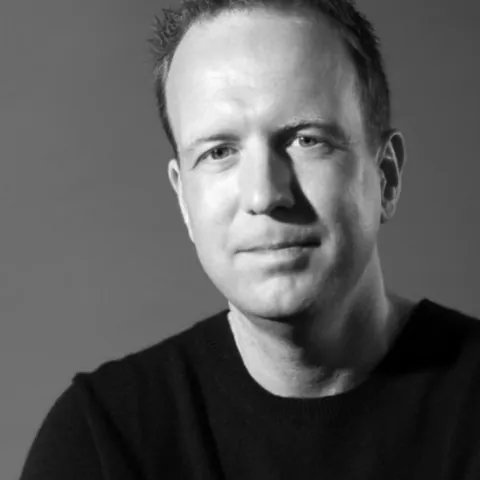
Gijs Bodenstaff
Franchise marketer, local SEO and GEO specialist, author
Curious what this could deliver for your franchise brand? Request the free scan of three locations.